What is Aortic Valve Stenosis?
Aortic Valve Stenosis, commonly known as aortic stenosis, is a serious heart valve condition in which the aortic valve becomes narrowed, making it difficult for blood to flow from the heart to the rest of the body. The aortic valve is one of the four valves of the heart and plays an important role in ensuring oxygen-rich blood is pumped efficiently throughout the body.
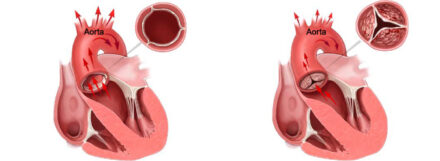
In a healthy heart, the aortic valve opens fully every time the heart beats, allowing blood to move freely into the aorta, the body’s largest artery. However, when the valve becomes thickened, stiff, or narrowed, the opening becomes smaller. As a result, the heart has to work much harder to push blood through the narrowed valve. Over time, this extra effort can weaken the heart muscle and reduce the amount of oxygen-rich blood reaching the body’s organs and tissues.
Aortic valve stenosis usually develops gradually over several years. Many people may not experience any symptoms during the early stages because the heart can compensate for the narrowing. As the condition progresses, however, symptoms become more noticeable and can interfere with everyday activities. Without timely diagnosis and treatment, severe aortic stenosis can lead to heart failure, abnormal heart rhythms, stroke, and other life-threatening complications.
The condition is most commonly seen in older adults due to age-related calcium buildup on the valve. However, younger individuals may also develop aortic stenosis if they are born with an abnormal valve or have a history of rheumatic heart disease. Regular medical check-ups and early evaluation of symptoms can help diagnose the condition before serious complications develop.
What are the Symptoms of Aortic Valve Stenosis?
Aortic valve stenosis often progresses slowly, and many people remain symptom-free for years. Once the narrowing becomes moderate or severe, symptoms usually begin to appear. The severity of symptoms often depends on how much the valve has narrowed and how well the heart is functioning.
Common symptoms include:
- Chest pain (Angina): Chest discomfort is one of the most common symptoms of aortic stenosis. It may feel like pressure, heaviness, tightness, or squeezing in the chest, particularly during physical activity or emotional stress. The pain may also spread to the shoulders, neck, jaw, or arms.
- Shortness of breath: Difficulty breathing may occur while walking, climbing stairs, exercising, or even performing simple daily activities. In advanced cases, breathlessness may occur while resting or lying flat.
- Fatigue: Because less oxygen-rich blood reaches the muscles and other organs, people with aortic stenosis often feel tired, weak, and less energetic than usual.
- Dizziness or fainting: Reduced blood flow to the brain can cause dizziness, lightheadedness, or sudden fainting episodes, especially during physical exertion.
- Rapid or irregular heartbeat: Some patients notice fluttering sensations, skipped heartbeats, or a racing heartbeat due to abnormal heart rhythms.
- Swelling in the legs and feet: As the heart becomes less effective at pumping blood, fluid may accumulate in the ankles, feet, and lower legs, indicating heart failure.
- Reduced exercise capacity: Many individuals find that activities they once performed comfortably become increasingly difficult because of breathlessness and fatigue.
If you experience any of these symptoms, particularly chest pain or fainting, it is important to seek immediate medical evaluation.
What are the Causes of Aortic Valve Stenosis?
Several conditions can lead to narrowing of the aortic valve. Understanding the underlying cause helps doctors determine the most appropriate treatment plan.
The most common causes include:
- Age-related calcium buildup: The most frequent cause of aortic stenosis is the gradual accumulation of calcium deposits on the valve leaflets. Over time, these deposits make the valve stiff and prevent it from opening completely.
- Congenital bicuspid aortic valve: Some people are born with an aortic valve that has only two leaflets instead of the normal three. This condition, called a bicuspid aortic valve, causes the valve to wear out more quickly and increases the risk of developing stenosis earlier in life.
- Rheumatic heart disease: Rheumatic fever, which can occur after untreated streptococcal throat infections, may damage the heart valves and eventually lead to aortic stenosis.
- Previous chest radiation therapy: Radiation treatment for cancers involving the chest may cause valve damage years after treatment.
Although these are the primary causes, certain medical conditions may also accelerate the narrowing of the valve.
Risk Factors
Several factors increase the likelihood of developing aortic valve stenosis. While some cannot be changed, others can be managed through a healthy lifestyle and regular medical care.
Important risk factors include:
- Growing older, especially after the age of 65
- High blood pressure
- High cholesterol levels
- Diabetes
- Chronic kidney disease
- Smoking
- Obesity
- Family history of heart valve disease
- Congenital bicuspid aortic valve
- Previous rheumatic fever
Managing these risk factors may help slow the progression of heart disease and improve overall cardiovascular health.
What are the Complications of Aortic Valve Stenosis?
If left untreated, severe aortic valve stenosis can lead to several serious complications. As the heart continues to work harder, its ability to pump blood effectively gradually declines.
Possible complications include:
- Heart failure
- Irregular heart rhythms (arrhythmias)
- Enlargement of the heart muscle
- Stroke
- Blood clots
- Pulmonary hypertension
- Sudden cardiac death
- Reduced quality of life due to limited physical activity
Early diagnosis and timely treatment significantly reduce the risk of these complications.
How Aortic Valve Stenosis Diagnosed?
Doctors diagnose aortic valve stenosis by combining your symptoms, medical history, physical examination, and specialized heart tests.
Common diagnostic methods include:
- Physical examination: Your doctor will listen to your heart using a stethoscope. A characteristic heart murmur often suggests a narrowed aortic valve. They may also check your pulse, blood pressure, and look for swelling in your legs.
- Echocardiogram (Echo): This is the most important test for diagnosing aortic stenosis. It uses ultrasound waves to create images of the heart, allowing doctors to assess valve movement, measure the degree of narrowing, and evaluate heart function.
- Electrocardiogram (ECG): An ECG records the electrical activity of the heart and can detect heart enlargement, abnormal rhythms, or signs of previous heart damage.
- Chest X-ray: A chest X-ray helps identify heart enlargement, calcium deposits, and fluid accumulation in the lungs.
- Cardiac CT Scan: CT imaging provides detailed pictures of the heart and measures calcium buildup on the aortic valve.
- Cardiac MRI: MRI offers detailed images of the heart’s structure and pumping function, especially in complex cases.
- Exercise stress test: This test evaluates how the heart performs during physical activity and helps determine the severity of symptoms.
Your cardiologist will recommend the most appropriate tests based on your age, symptoms, and overall health.
What are the Treatment for Aortic Valve Stenosis?
Treatment depends on the severity of the valve narrowing, the presence of symptoms, and the overall condition of the heart. Mild cases may only require regular monitoring, while severe disease often requires valve replacement.
Medications
Although medicines cannot reverse the narrowing of the valve, they can help manage symptoms and associated medical conditions.
Your doctor may prescribe medications to:
- Control high blood pressure
- Manage heart failure symptoms
- Treat irregular heart rhythms
- Reduce fluid buildup
- Lower cholesterol levels
- Prevent blood clots when necessary
It is important to take all medications exactly as prescribed and attend regular follow-up appointments.
Aortic Valve Replacement
When the valve becomes severely narrowed and symptoms develop, replacing the damaged valve is usually the most effective treatment.
There are two main approaches:
- Surgical Aortic Valve Replacement (SAVR): This traditional open-heart surgery involves removing the damaged valve and replacing it with a mechanical or biological valve.
- Transcatheter Aortic Valve Replacement (TAVR): This minimally invasive procedure replaces the valve using a catheter inserted through a blood vessel. It is often recommended for patients who are older or at higher risk for open-heart surgery.
Your cardiologist will determine which procedure is most suitable based on your age, medical condition, and overall surgical risk.
Lifestyle Changes
Along with medical treatment, healthy lifestyle habits play an important role in protecting heart health.
Doctors commonly recommend:
- Following a heart-healthy diet rich in fruits, vegetables, whole grains, and lean protein.
- Reducing salt intake to help control blood pressure.
- Maintaining a healthy body weight.
- Quitting smoking and avoiding tobacco products.
- Limiting alcohol consumption.
- Staying physically active according to your doctor’s advice.
- Managing diabetes, cholesterol, and blood pressure effectively.
- Taking prescribed medications regularly.
- Attending routine cardiology check-ups and follow-up echocardiograms.
Lifestyle changes cannot cure aortic stenosis but can improve overall cardiovascular health and reduce the risk of complications.
Can Aortic Valve Stenosis Be Prevented?
Not all cases of aortic valve stenosis can be prevented, especially those caused by aging or congenital heart defects. However, adopting healthy habits may reduce the risk of developing heart disease and slow disease progression.
Preventive measures include:
- Eating a balanced, heart-friendly diet.
- Exercising regularly as recommended by your doctor.
- Keeping blood pressure and cholesterol under control.
- Avoiding smoking and tobacco use.
- Maintaining a healthy body weight.
- Managing diabetes effectively.
- Treating throat infections promptly to reduce the risk of rheumatic fever.
- Scheduling regular health check-ups, particularly if you have a family history of heart disease.
When Should You See a Doctor?
You should consult a healthcare professional if you notice symptoms that may indicate aortic valve stenosis or another heart condition.
Seek medical attention if you experience:
- Chest pain during activity or at rest.
- Persistent shortness of breath.
- Fainting or unexplained dizziness.
- Rapid or irregular heartbeat.
- Swelling of the feet or ankles.
- Extreme fatigue that affects daily life.
- Difficulty performing activities that were previously easy.
Emergency medical care is required if chest pain is severe, you lose consciousness, or you experience sudden breathing difficulty.
Frequently Asked Questions (FAQs)
Can aortic valve stenosis heal without treatment?
No. Aortic valve stenosis does not improve on its own. It usually progresses over time and requires regular medical monitoring.
Is aortic valve stenosis dangerous?
Yes. Severe untreated aortic stenosis can lead to heart failure, stroke, dangerous heart rhythm disorders, and sudden cardiac death.
Can medications cure aortic valve stenosis?
No. Medicines help manage symptoms and related conditions but cannot remove the narrowing of the valve.
Who is most likely to develop aortic stenosis?
Older adults, people with congenital bicuspid aortic valves, and individuals with a history of rheumatic fever are at greater risk.
Can younger people develop aortic valve stenosis?
Yes. Although it is more common in older adults, younger people with congenital heart defects or rheumatic heart disease may also develop the condition.
What happens if severe aortic stenosis is left untreated?
Untreated severe aortic stenosis can eventually cause heart failure, abnormal heart rhythms, stroke, and life-threatening complications.
Why Hridayam Heart Hospital for Aortic Valve Stenosis Treatment in Lucknow, Uttar Pradesh, India?
Hridayam Heart Hospital is one of the trusted destinations for Aortic Valve Stenosis treatment in Lucknow, Uttar Pradesh, India, offering comprehensive heart care through a team of highly experienced interventional cardiologists, cardiac surgeons, cardiac anesthesiologists, and critical care specialists. Equipped with advanced diagnostic technology and modern cardiac care facilities, we provide accurate diagnosis, personalized treatment plans, and advanced medical and surgical management for patients with aortic valve disease. Our hospital follows international standards of patient safety, infection control, and evidence-based cardiac care, ensuring the highest quality treatment at every stage. From early diagnosis and medical management to minimally invasive procedures, valve replacement surgery, cardiac rehabilitation, and long-term follow-up, we are committed to delivering compassionate, patient-focused care with the goal of improving heart function, relieving symptoms, and helping patients return to a healthier and more active life.